













Casinova Review For Canada Players

Practical 2026 overview for Canada: setup, payments, limits, mobile play, and support on Casinova, for legal-age users.

Fortune Gems 2 Slot

Table of Contents

  • The Dog House Megaways Slot
  • Lucky Joker 10 Extra Gifts Slot
  • Sword of Ares Slot
  • Floating Dragon Hold & Spin Slot
  • Leprechaun Riches Slot
  • Fruit Cocktail Slot
  • The Dog House Megaways Slot
  • Sword of Ares Slot
  • Fruit Million Slot
  • The Dog House Megaways Slot
  • Big Fisherman Slot
  • Big Fisherman Slot
  • Seven Books Unlimited Slot
  • Casinova Fortune Slot
  • Sword of Ares Slot
  • Floating Dragon Hold & Spin Slot
  • 9 Mad Hats Slot
  • Floating Dragon Hold & Spin Slot
  • Big Bass Splash Slot

Casinova Casino Reviews And First Impressions In Canada

Imagine you have ten minutes before dinner and you want one thing: to know whether the platform feels straightforward or slippery. Most players judge too early by lobby visuals, then get surprised later by the boring stuff - account menus, the cashier flow, and how easy it is to stop. A smarter first impression is built on actions, not vibes.

Reviews 1

Start by opening your account area and locating three pages: transaction history, limits, and help. If you can find those in under a minute, you’ve already reduced most “why did this happen?” moments that show up after a session. If you can’t find them quickly, the session will likely feel messy when money is moving or when you’re trying to cool off.

Picture a normal night: you deposit, play, then want to end cleanly. The platform should make it obvious where your record is, what your balance means, and how to sign out without hunting. Clarity is not a luxury feature - it’s the foundation that keeps gambling feeling like planned entertainment.

In Canada, adult-only access under applicable local rules isn’t just a checkbox. It shows up in real steps: account verification readiness, payment confirmations, and the presence of practical break tools. The more visible these controls are, the less likely you are to drift into impulsive play.

What You Should Check Before You Play A Single Round

Imagine you jump straight into a game because the thumbnail looks familiar, then you realize you don’t know where your settings are. That’s like starting a road trip without knowing where the brakes are. Before you play, do a quick “menu lap”: account, cashier, limits, support, then back to lobby.

Look for a clean transaction log. You want a place where deposits and withdrawals appear with clear status labels, not a confusing list that forces you to guess. If the record is easy to read, you’ll stay calmer during delays because you’ll know whether something is pending, processed, or needs attention.

Then check your limits area. Set one boundary right away, even if it’s just a session reminder. Usually players promise themselves they’ll stop at a certain time, then ignore that promise when mood takes over. A visible reminder interrupts drift and gives you a clean exit point.

Finally, locate the sign-out option and make sure it’s obvious. If you can’t end a session cleanly, it’s easier to keep “just one more” going, especially on mobile. A clear sign-out button is an underrated responsible-play tool.

Canada Access And Adult-Only Use In Practice

Imagine you’re setting up your account and you’re unsure whether your details need to match your payment method exactly. That uncertainty is where delays are born. The practical approach is to keep your profile consistent from day one: real details, stable contact info, and no last-minute edits right before you request a cashout.

Adult-only play matters because it influences how platforms handle identity checks and account protection. If you ever need to confirm ownership or recover access, clean profile data makes the process smoother. Messy data forces extra steps, and extra steps feel like friction when you’re eager to play.

Treat the platform like a tool you use responsibly, not a place you “figure out later.” If you’re tired, stressed, or rushing, save the administrative steps for another time. The calmer you are during setup, the smoother your sessions will feel later.
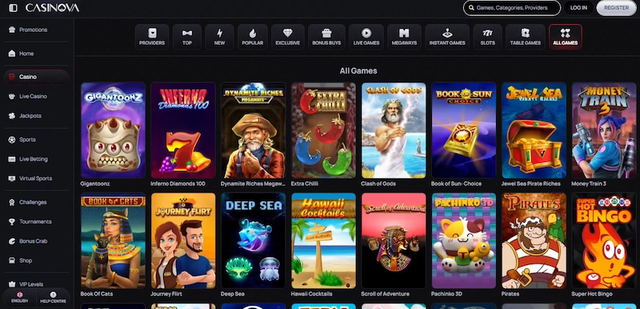
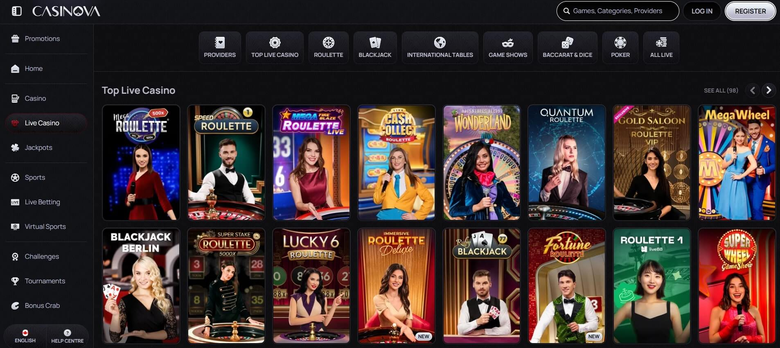
customer feedback 2

Account Setup And Security Habits That Stick

Imagine you create an account while multitasking, you type quickly, and you tell yourself you’ll tidy details later. Later shows up the first time you try to withdraw or change something important. The solution is boring and effective: accuracy first, speed second.

Use one email you control long-term, keep your phone access stable, and avoid reusing passwords from other services. These aren’t “extra precautions,” they’re the basics that prevent lockouts and reduce the need for support when you just want to play.

A helpful 2026 habit is to separate roles for devices. Use one primary device for account maintenance (profile edits, payment settings, verification tasks) and keep casual browsing for any device you like. That way, you always know where sensitive actions happened and you don’t lose track of your own steps.

Also watch auto-fill. Imagine your browser inserts an old email into a form and you don’t notice until you can’t log in later. Before you confirm any key step, re-read the details like you would re-read a bank transfer screen. One calm scan prevents a long headache.

Verification Readiness Without Turning It Into A Project

Imagine you request a cashout and then you’re asked to confirm identity, but it’s midnight and your phone camera is struggling in bad light. You send blurry photos, get a rejection, and now you’re repeating the same task while annoyed. The smarter move is to prepare once, properly.

Take clear document photos in good lighting, with readable text and no glare. Store them securely on your device so you can complete checks without scrambling. When you upload, do it on a stable connection and finish in one focused attempt instead of half-completing steps and hoping it works out.

Keep your profile stable around verification moments. Changing key details during active checks can create mismatches and slow everything down. If something must be corrected, do it once, confirm it saves, then leave it alone.

Casinova Reviews And How To Read Public Feedback

Imagine you’re scrolling a public rating page and you see extremes: perfect praise and furious complaints. If you read it like drama, you’ll leave more confused. If you read it like pattern hunting, it becomes genuinely useful.

3 reviews

Start by sorting comments into three buckets: money movement, promotions, and support. Money movement stories often reveal where players get stuck: unclear pending status, method changes, or last-minute profile edits. Promotion stories usually revolve around misunderstanding terms and eligible games. Support stories show whether people get actionable steps or generic replies.

Now picture your own behavior. If you often switch devices and payment routes, you should pay extra attention to stories about inconsistency and verification triggers. If you play short sessions, feedback about navigation and limit tools will matter more than anything about long promo completion windows.

A clean approach is to use public commentary as a warning system, not as a verdict. If many people describe the same friction point in specific detail, take it seriously. If the stories are vague and emotional without a timeline, treat them as noise until you have more evidence.

Combine feedback with a personal mini-test. Start with a modest deposit, confirm it appears in your transaction history, then later try a modest withdrawal when you’re ready. Your own record becomes your anchor, and it keeps you from overreacting to random online posts.

Finally, remember why people post. Many players share experiences when something surprised them, not when everything was routine. That doesn’t make the feedback useless. It just means patterns matter more than volume.

Payments And Withdrawals Without Surprises

Imagine you confirm a deposit, the screen refreshes, and your thumb hovers over the button again because you want certainty. That impulse creates the most common cashier mistake on mobile: duplicate funding. The fix is simple and adult: confirm once, verify in history, then move on.

Treat deposits as careful actions and withdrawals as trackable processes. Deposits should be done with attention, because repeating them can be costly. Withdrawals can take multiple steps depending on method and account checks, so the best mindset is “status tracking,” not “refreshing and hoping.”

Consistency helps more than people expect. If you use one payment route repeatedly, you learn what “normal” looks like: what confirmation screens appear, how status labels update, and how long pending states typically last. If you change methods constantly, every session becomes an experiment, and experiments feel stressful when money is involved.

In 2026, the calmest approach is a test-first routine. Make a modest first deposit, play a short session, then request a modest first withdrawal when you’re ready. You’re not proving anything to anyone. You’re learning the flow on your own account, on your own device, with your own habits.

Depositing Without Duplicate Charges

Imagine the cashier spinner hangs for a few seconds and you assume it failed. You tap again, and now you have two transactions. The safer habit is to stop touching the screen after confirmation and check your transaction history instead.

If you don’t see the record instantly, wait a short while and check again. Pending status is not automatically a problem; it’s often a normal step. What becomes a problem is repeating actions while the system is still processing.

Keep your deposit routine stable. Choose a method that fits your budget style, confirm amount carefully, and avoid last-second changes. If you need to change amount or method, exit the flow and restart cleanly before you confirm.

Set a deposit cap before funding if you know you chase. A cap prevents impulsive top-ups when mood shifts mid-session. It removes negotiation and replaces it with a boundary you already agreed to.

Cashout Requests Without Anxiety

Imagine you request a withdrawal and then you refresh the page every few minutes, watching the status like a countdown. That habit turns the whole day into tension. A better routine is to request once, note the time, and check status at planned intervals.

Account stability matters here. Avoid changing key profile details or switching payout methods right before or during a withdrawal request. Even innocent edits can trigger extra checks and slow the process, especially if the platform needs to confirm account ownership.

If verification is requested, treat it as a short task you complete carefully: good lighting, readable images, stable connection. One focused submission beats three rushed attempts. When you complete checks cleanly, the process tends to move forward with less back-and-forth.

If you need support, provide specifics: time of request, amount, method, device type, and the status label shown in history. Clear facts turn your message into a solvable case, not a guessing game.

A Quick Table For Money Movement In 2026

Imagine you want a simple pre-flight routine before you confirm anything in the cashier. The table below is a checklist you can use to keep actions predictable, especially on mobile where taps happen fast.

Money Step

What You Do

What You Check Next

Why It Helps

Common Slip-Up

Add Funds

Confirm amount and method once

History shows a dated entry

Prevents guesswork

Tapping twice during slow loading

Check Status

Look for pending or processed labels

Status matches your expectation

Reduces anxiety

Refreshing without reading labels

Start Session

Set a timer or reminder first

Reminder is active

Prevents drifting

Setting limits after emotions rise

Request Payout

Submit one request and note time

History shows payout entry

Keeps process trackable

Switching methods mid-request

Keep Details Stable

Avoid key edits during cashout

Profile stays unchanged

Reduces extra checks

Editing info right before payout

Ask For Help

Send a clear timeline and facts

Support can trace the record

Speeds resolution

Messaging without time and amount

Use this checklist as a routine, not as a one-time fix. Predictability comes from repetition: the same steps, the same order, the same calm pace.

Game Library And Mobile Navigation For Real Sessions

Imagine you open the lobby and everything competes for attention. You click one tile, then another, and suddenly you’ve spent fifteen minutes browsing without a plan. Browsing is where impulsive decisions grow, especially late at night. A real session starts with a plan, not with endless scrolling.

Choose one game style for the session. If you’re in a quick mood, pick something you already understand. If you want a longer session, pick something with a pace you can control. The point is to avoid learning a new interface while money is on the line.

On mobile, readability matters. If the bet controls feel cramped or the balance is hard to see, it’s easier to misclick and raise stakes accidentally. Pick games where controls are clear and where you can open the information panel quickly. If a game feels visually noisy, switch instead of forcing yourself to adapt mid-session.

Stake size is a pacing tool. Lower stakes often buy more entertainment time, and entertainment time is the point. If you want to raise stakes, do it after a defined time block, not immediately after a win or immediately after a loss.

Build one mid-session reality check. Imagine you feel “about even” but you’re not sure. Open your transaction history or session record and verify what actually happened. That pause reduces chasing and helps you stop while you still feel clear.

Finding A Game You Can Read On A Small Screen

Imagine you’re on your phone, notifications pop up, and you’re tapping faster than you realize. In that environment, the best game is the one you can read at a glance. Clear bet controls and a visible balance matter more than flashy graphics.

Start with a short test. Open a game, locate the info panel, adjust the stake once, and exit cleanly. If those steps feel confusing, pick a different game. Confusing controls are where accidental stake jumps happen.

Use favorites if available. Keeping a small list of games you actually understand prevents endless browsing. A curated lobby feels calmer, and calm is what keeps gambling in the entertainment lane.

Keeping Stakes And Time Under Control

Imagine you hit a small win early and your brain whispers, “Press it.” On mobile, that decision can be one quick tap. The adult move is to slow the decision down: check your timer, check your mood, then adjust gradually if you still want to.

Use a time reminder as your session spine. When it rings, pause and decide whether you’re still playing for fun or playing to chase a feeling. If you’re chasing, stop. If you’re still calm, you can continue within your cap, but take a short break first so you’re not acting on momentum.

If you notice irritation, rushed tapping, or “one more” thinking, use a cooling-off break. Break tools work best when you use them early, not when the session has already gone too far.

Support, Limits, And Break Tools For Adults

Imagine something small goes wrong: a deposit looks pending longer than expected, a promo indicator doesn’t show, or a page refreshes strangely. The worst move is changing five things at once - device, browser, payment method, profile details, and session settings - because then you can’t tell what fixed what. The best move is one change at a time.

Before contacting support, do a simple sequence: refresh once, sign out and back in, then re-check transaction history. If the issue is visual, try a different browser on the same device before switching devices. Calm troubleshooting is faster than emotional troubleshooting.

When you do contact support, write like you’re reporting an issue, not venting. Include what you did, what you expected, what happened instead, and what the history shows. Add the approximate time and the amount if money is involved, plus your device type. Clear input gets clear output.

Limits are where adults quietly protect themselves. Set a spending cap and a session reminder before you play. Decide in advance what you will do when either one hits (stop, take a break, end the session). Boundaries remove negotiation mid-session and reduce the chance of chasing.

Cooling-off tools help when you feel pulled in. Imagine you keep saying “one more” while feeling tense. That’s the signal to pause, not to push. A short time-out can reset judgment faster than any game switch.

For Canada play in 2026, keep the bigger frame in mind: adult-only access under applicable local rules, and gambling as entertainment, not income. Don’t share accounts, don’t use someone else’s payment method, and don’t play when you’re not clear-headed. Your routine is the strongest safety feature you have.

FAQ

Start with a ten-minute test: locate transaction history, locate limits, and locate support before you open any game. Imagine you deposit and then can’t find the record - that uncertainty creates stress. Do a modest first deposit only after you confirm you can see clear status labels and that your account menu feels predictable. Keep your first session short and end by checking history once, then signing out.

Don’t repeat the action immediately. Imagine the page loads slowly and you tap again, then you discover two transactions - that’s the most common mistake on mobile. Check transaction history for a dated entry and a status label, wait briefly, then re-check at a planned time. If it remains unclear, contact support with the time, amount, method, and device type so they can trace the record quickly.

Keep your account stable and use a consistent payout method when possible. Imagine you edit profile details right before withdrawing because you noticed a typo - that can trigger extra checks. Request the payout once, track status in history at planned intervals, and complete any verification steps carefully in good lighting. If you need help, send support a clear timeline instead of multiple rushed messages.

Use simple boundaries: one spending cap and one session timer. Imagine you tell yourself you’ll stop “after one more” and time disappears - a timer breaks that loop. Set limits before you start, not after emotions rise, and decide your stop action in advance, like standing up or switching activities when the reminder hits. If you feel tilted, take a cooling-off break instead of trying to grind through the mood.

Treat mobile sessions as faster sessions and plan accordingly. Imagine notifications and small buttons pushing you into quick taps - that’s where mistakes happen. Keep stakes conservative, choose games with readable controls, and avoid endless browsing by using favorites or a short list. Always verify deposits in history and sign out when you’re done to end the session cleanly.

Send one structured message: what you did, what you expected, what happened instead, and what transaction history shows. Imagine writing only “it doesn’t work” - you’ll get follow-up questions and wait longer. Include the approximate time, the amount if money is involved, the payment method, and your device type. Then keep your account stable while support reviews the case, because stability speeds resolution.

Use a time-out as soon as you notice chasing, irritation, or rushed decisions. Imagine you keep clicking faster to change a feeling - that’s the signal to pause. A short break resets judgment, while a longer break is useful when the same pattern repeats across weeks. These tools are practical safeguards that help adults keep gambling within healthy boundaries.

🇬🇧 English