













Casinova Login For Canada Players

Quick 2026 steps for Canadians to sign in safely, fix access issues, set limits, and manage deposits and cashouts.

Fortune Gems 2 Slot

Table of Contents

  • The Dog House Megaways Slot
  • Lucky Joker 10 Extra Gifts Slot
  • Sword of Ares Slot
  • Floating Dragon Hold & Spin Slot
  • Leprechaun Riches Slot
  • Fruit Cocktail Slot
  • The Dog House Megaways Slot
  • Sword of Ares Slot
  • Fruit Million Slot
  • The Dog House Megaways Slot
  • Big Fisherman Slot
  • Big Fisherman Slot
  • Seven Books Unlimited Slot
  • Casinova Fortune Slot
  • Sword of Ares Slot
  • Floating Dragon Hold & Spin Slot
  • 9 Mad Hats Slot
  • Floating Dragon Hold & Spin Slot
  • Big Bass Splash Slot
Login 1

Casinova Casino Login Checks Before You Play

Imagine you open the platform on your phone, you have ten minutes, and you just want a calm session. This is exactly when people rush through access, skip settings, and only later notice something feels off. A better approach is to treat account access like a quick safety check, not a hurdle.

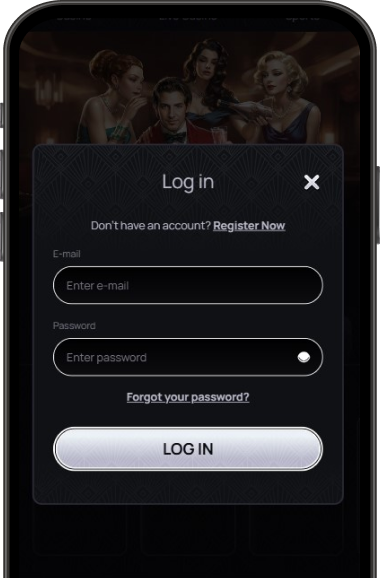
First, confirm you are using the same email you registered with and the same device you normally play on. If you bounce between devices and networks in one evening, you increase the chance of extra security prompts and temporary locks. Usually players interpret that as “something is broken,” but it is often just the system reacting to unusual patterns.

Second, check the small details that cause the most frustration: keyboard language, caps lock, and auto-fill. A single invisible space at the end of a password can ruin your night. If you feel irritated, pause and retype slowly instead of retrying fast.

Third, make access part of responsible play. Once you are inside your account, check your balance, open limits, and set a time plan before you enter the lobby. It is much easier to stop on schedule when you decided your boundary while calm.

Confirm You Are On The Right Device

Picture this: you signed in on a laptop at home earlier, then later you try on mobile while out, and the platform asks for confirmation again. That prompt is not automatically a problem, it is a signal that the system noticed a change. Complete the check once, then keep your next steps simple.

If you use a password manager, verify it is filling the correct credentials for this account. Many players have multiple emails and old passwords saved, and auto-fill chooses the wrong one. A quick manual check prevents the “I swear it’s right” loop.

After you get in, do one practical test: log out, then sign back in once. This shows whether your access is stable and whether your device is saving something incorrectly. It takes one minute and can save a long support conversation later.

Avoid Lockouts From Rapid Retries

Imagine you mistype your password twice and immediately hit “try again” five more times. That pattern can trigger a temporary lock, and now you are stuck waiting even though the fix was simply slow typing. One calm attempt on stable internet beats multiple frantic attempts on a weak signal.

If you fail once, stop and check your keyboard settings. If you fail twice, use the reset flow instead of guessing. If you request a code, request it once and wait. When players request multiple codes, they often enter an older code by mistake and create even more confusion.

The simplest rule: one action, one confirmation, then the next action. When you follow that rhythm, access issues tend to stay small and solvable.

Login 2

Password Reset And Account Recovery In Canada

A reset flow should feel like a clean path back to your account, not a maze. Imagine you are tired, you cannot remember your password, and you keep tapping “send code” because nothing arrives instantly. Minutes later, you receive multiple messages and do not know which code is the latest. That is the most common way players create their own lockout.

Start with your email access. Make sure you can open your inbox and that you are checking the right folders. Then request one reset and wait a few minutes before doing anything else. If nothing arrives, request one more and stop there. If you still do not get a message, do not keep repeating the same step - it is time to contact support with clear details.

When you receive a code, enter it once and move forward immediately. If you wait too long and it expires, request a new one and use only the newest code. Keep the process linear. The moment you start mixing codes, you turn a simple reset into a guessing game.

After recovery, update your password to something unique and store it safely. Also consider your device security. If your phone is unlocked or shared, saving passwords can create risks. A locked device and protected email are part of safe account access.

Finally, do a quick post-reset check: open settings, check whether notifications are enabled, and confirm your limit tools are in place. Many people reset access, rush into games, and forget to set boundaries again.

Casinova Login Issues: Quick Fixes

Imagine the sign-in screen keeps rejecting your entry even after a reset. Before you assume the platform is at fault, check for the boring culprits: auto-fill inserting old credentials, keyboard language changes, or a copied password that includes a hidden space.

Try one careful manual entry, then stop. If it fails again, do not spam resets. Check that you are using the correct email address, then contact support with the exact error text you see. Support can often resolve faster when you give facts instead of emotions.

If you are switching between Wi-Fi and mobile data, try completing the reset on one stable connection. Unstable networks can interrupt confirmations and create partial steps that feel random. Keeping the process on one device and one connection makes it more predictable.

Login 3

Profile Consistency And Verification Without Stress

Many payout delays are not caused by the cashier at all, but by profile inconsistencies created weeks earlier. Imagine you entered your name one way during registration, then you used a slightly different format when adding a payment method. Everything works for deposits, so you forget about it. Later, when you want to withdraw, the system asks extra questions. That is normal behavior in many platforms, and it is avoidable.

Treat your profile like a reference card. Keep your personal details consistent and written the way they appear on your documents. If identity checks appear, complete them when you are calm, not when you are trying to withdraw quickly. Doing it early turns verification into a routine step instead of an emotional moment.

Also avoid stacking changes. If you update your address, switch payment methods, and request a payout in the same session, you create a complicated account story. A stable account is easier to process and easier for support to help.

For Canadian players, it also helps to remember that availability and payment options can vary by location and provider rules. The platform is presented as available in Canada where permitted and for legal-age players, so the practical move is to follow what your cashier shows for your region and keep your activity within the rules that apply to you.

Imagine you want a clean month of play without surprises. The best way is boring: one identity, consistent details, and verification handled early. This is not about being paranoid, it is about making the exit path smooth.

Cashier Basics: Deposits, Withdrawals, And Limits

Money movement should be boring. If it feels exciting, you are likely rushing. Imagine you have a good session, you feel confident, and you decide to change three account settings and request a payout in the same hour. Even with a legitimate account, that stack can trigger extra checks and create delays.

Start with one payment route and keep it consistent for the first weeks. If you like experimenting, do it later, not during your early sessions when you are still learning the platform flow. Stability makes your transaction history easier to read and reduces avoidable friction.

Before depositing, decide your budget outside the platform. Think in weekly terms, not “just this once.” Then set a deposit cap if the tool exists, or set a hard personal limit in your notes. Many players lose control not because they love gambling, but because they top up impulsively when tired.

When you request a withdrawal, treat it as a single action. Submit once, confirm the status in your history, and then step away. Constant checking creates stress and invites unnecessary clicks. If the status is pending, look for an account message that asks for a step, and complete it calmly.

Here is a practical snapshot of what players usually monitor to keep deposits and withdrawals predictable. It avoids jargon and focuses on the steps you actually take.

Money Step

What To Confirm

Common mistake

Better Habit

First Deposit

Limits and method availability

Depositing on impulse

Deposit only what fits your plan

Repeat Deposits

Budget still makes sense

Chasing after losses

Stop, take a break, then decide

Withdrawal Request

Profile details complete

Changing details same day

Keep the account stable until done

Pending Status

Messages and required steps

Re-submitting repeatedly

Submit once, then track calmly

Session Control

Time reminder and deposit cap

Playing without a stop rule

Use both time and money boundaries

Choose One Payment Route First

Imagine you have several methods available and you try them all in the first week because you want to “test everything.” It feels smart, but it often creates a messy history and makes it harder to track what is pending. A cleaner approach is to choose one primary method and use it consistently.

Check what appears in your cashier for your region, then pick the option you can manage calmly. If you want strict budgeting, choose a method that keeps entertainment spending clearly separated. If you value convenience, pick a straightforward option and keep it steady. Consistency is often more valuable than speed.

After you deposit, do one quick check: open transaction history and confirm the status is clear. This reduces anxiety because you are not guessing what happened.

Withdrawal Requests Without Panic

Picture the moment you decide to cash out: you are excited, you want it done fast, and you start clicking around. That is how people create extra issues. Submit the request once, then confirm you see it in history with a status label.

Avoid changing profile details or payment settings right after submitting. If you need to update something, do it later, after the request is complete. Keeping actions separated makes processing easier and makes support conversations clearer.

If you notice the status stays pending longer than you expected, read your messages and check whether any identity steps are incomplete. Most delays are tied to missing steps or recent changes, not to something mysterious.

Limit Tools That Actually Help

Limits work best when you set them before you feel tempted. Imagine you planned a short session, you feel momentum, and you want to top up “just once.” A deposit cap blocks the impulse and gives you a pause to think. A time reminder interrupts autopilot when you lose track of minutes.

Use timeouts when your mood shifts. If you feel irritated, rushed, or like you need to “get even,” that is your best stop signal. A short cool-off period often saves you from making tired decisions.

Also be careful with raising limits. Increasing a cap in a confident moment can create problems later when you are not in the same mood. Keep limits stable for a while, then adjust only when you are calm and sure.

Mobile App Habits And Security Settings

Mobile play is convenient, but it encourages fast decisions. Imagine you are outside, your signal drops, the app refreshes, and you are not sure whether your last action saved. On mobile, keep the process simple: fewer account changes, fewer payment changes, and shorter planned sessions.

Start by cleaning your device environment. Lock your phone, protect your email, and avoid saving credentials on shared devices. Email is often the key that resets everything, so email security is not optional if you care about account safety.

Then reduce noise. Notifications can pull you back into the app even when you decided to stop. If you have ever reopened “just to check,” you already know how powerful a small ping can be. Turning off non-essential alerts makes stopping easier.

Also be mindful of networks. Public Wi-Fi is not the best place for sensitive actions. If you must play on a public network, keep sessions light and avoid payment actions. Save those for a stable private connection.

Finally, build a mobile exit ritual. Log out, close the app, and do something physical for two minutes. It sounds simple, but it breaks the loop of reopening and scrolling.

Notifications And Privacy

Imagine you finish a session, close your phone, and a notification pops up minutes later. That small trigger can restart the whole cycle. Turn off promotional alerts and keep only what helps you stay informed, like security confirmations.

Use device locks and avoid showing sensitive screens in public. If you are around friends, it is easy to leave your account open accidentally. Logging out is not overkill, it is basic hygiene.

If you use auto-fill, make sure it is up to date and tied to your locked device. Old saved credentials can create repeated failures that look like “the platform is broken,” when it is actually your phone filling the wrong password.

Using Wi-Fi Vs Mobile Data

Picture trying to sign in while your Wi-Fi keeps dropping. You attempt again, and now you see extra prompts or a temporary lock. This is why stable internet matters for access and for payment steps. Complete important actions on one stable connection and avoid switching networks mid-process.

If you notice frequent refreshes or repeated prompts, stop and switch to a stable network rather than retrying repeatedly. Most temporary issues disappear when your connection is steady and your steps are slow and consistent.

Support Conversations That Move Faster

Support is not a place to vent, it is a place to solve one clear problem. Imagine writing “I can’t get in” and sending nothing else. The agent will ask you for device type, error text, and what you already tried. If you include those details from the start, you save time and frustration.

Before you contact support, write a short timeline for yourself: what you clicked, what you expected, what happened, and what message you saw. If the issue relates to payments, include the status label shown in your history and the approximate time of the action. Facts are faster than feelings.

Also avoid spamming messages. Send one clear message, then wait. Multiple messages with changing details create confusion and slow down resolution. While support investigates, keep your account stable. Do not keep changing passwords, switching devices, or requesting new codes every minute.

A simple support script works well: device, step, error, time, and what you already tried. This keeps the conversation focused and usually leads to a cleaner outcome.

FAQ

Turn off auto-fill for a moment and type your credentials manually once on a stable connection, then update the saved entry after you regain access. If you keep accepting the wrong auto-fill suggestion, you can trigger repeated failures that lead to temporary locks, so one careful manual attempt is often the fastest reset.

Use only the newest code you received and ignore older messages, then complete the reset in one clean sequence without requesting more codes. If you still cannot complete the step, stop retrying and contact support with the exact error text, because repeated attempts can extend the lockout window.

Security prompts often appear when you change devices, networks, or locations, because the system treats it as a higher-risk pattern. Complete the prompt once, finish the session on that single device, and avoid bouncing between phone and laptop in the same hour if you want fewer interruptions.

Lock your phone, protect your email account, log out instead of just closing the app, and reduce promotional notifications that pull you back in. If you play outside the home, avoid sensitive actions like payment changes on unstable networks and keep sessions short and planned.

Submit the request once, confirm it appears in transaction history, and then keep the account stable until you see a clear status update. Avoid changing profile details or payment settings right after submitting, because stacking changes can trigger extra checks and make the timeline harder to interpret.

Set one hard time boundary and one money boundary before you enter the lobby, then stop when either one hits, even if you feel tempted to continue. If you catch yourself bargaining, use a timeout and end the session with a clean log out and a short physical break.

Send a single message with your device type, the exact error message, the step you tried, and the approximate time it happened, plus whether you already attempted a reset. This gives support a clear starting point and prevents long back-and-forth where you repeat the same information in different ways.

🇬🇧 English